

Learn
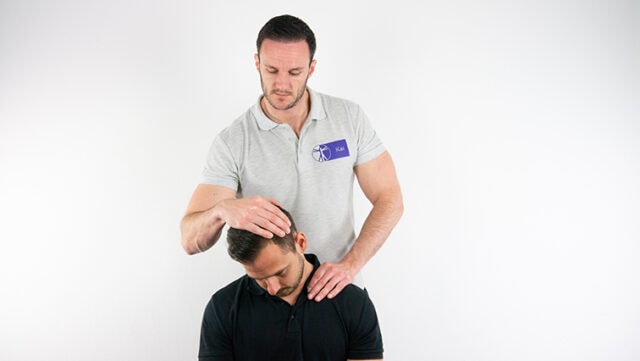
Clinical Cervical Instability | Cervical Motor Control Impairment
In another post, we presented a similar list of subjective and objective features for clinical instability of the lumbar spine. Cook et al. (2005) conducted a second Delphi study to identify which subjective and objective signs and symptoms could be indicative of clinical cervical spine instability/cervical motor control impairment. So here’s the list of the top 5 subjective symptoms:
- Intolerance to prolonged static postures
- Fatigue and inability to hold head up
- Symptom decrease with external support, including propping on hands or wearing a collar
- The Frequent need for self-manipulation
- Feeling of instability, shaking, or lack of control
The top 5 objective identifiers are:
- Poor coordination or neuromuscular control, including poor recruitment and dissociation of cervical segments with movement
- Abnormal joint play
- Motion that is not smooth throughout range (of motion), including segmental hinging, pivoting, or fulcruming
- Aberrant movement
- Hypomobility of the upper thoracic spine
As mentioned in our previous video on lumbar spine instability, it is important to recognize that there is no valid clinical test to diagnose spinal instability. Therefore, a Delphi study is the best available evidence we have.
Other common tests to assess for a cervical motor control impairment are:
- Craniocervical Flexion Test
- Deep Neck Flexor Endurance Test / Test of Harris
- Cervical Extensor Endurance Test
Get the 21 most useful orthopedic tests
Download our free e-book with the 21 most useful orthopedic tests per body region, to help you reach the right diagnosis.
Like what you’re learning?
Get the full Physiotutors Assessment Book
- 600+ pages on orthopedic assessment
- Video demonstrations and direct links to the PubMed studies
- Statistical values for every special test, from the latest research
- Free lifetime updates
- Available in English, German, French, Spanish, Italian, Portuguese and Turkish


