

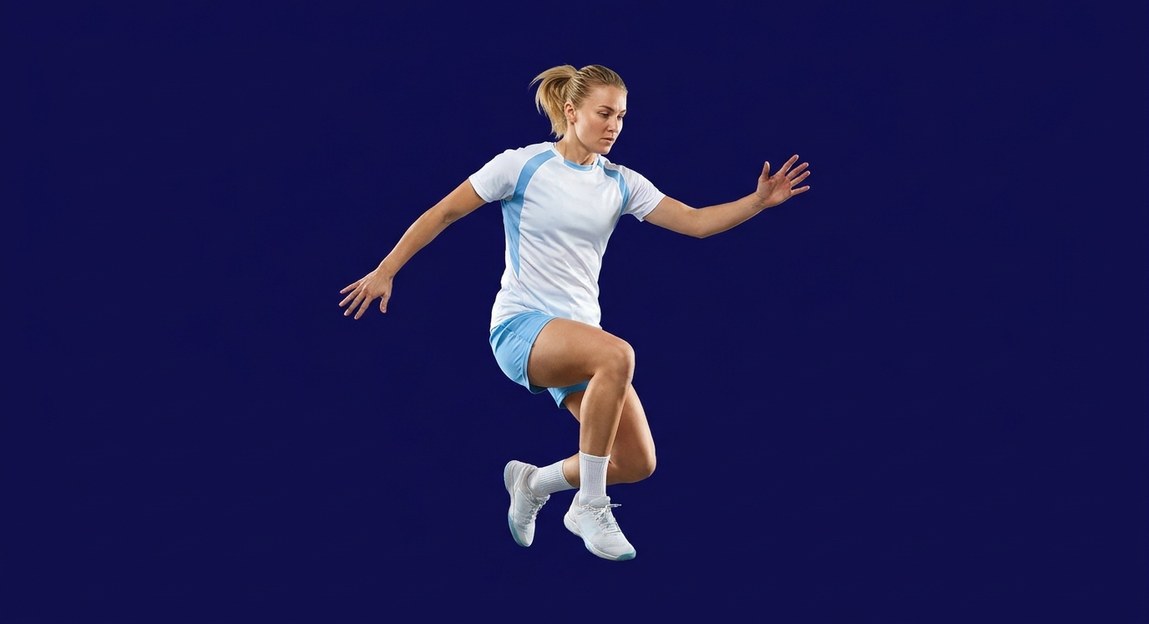
ACL Injuries: From Trauma to Return to Sport
€549,00
Prefer third-party payment? Use the option below.
- Language: Dutch
- 2-day course combining theory and practice with Dr. Bart Dingenen
- Practical guidelines from the latest ACL research
- 14 points requested (Kwaliteitshuis Fysiotherapie and KRF)
- Includes lunch, snacks, and on-site parking
Instructors
Bart Dingenen
Description
Rehabilitating athletes after an anterior cruciate ligament (ACL) injury is a challenging process, both for the athlete and for the physiotherapist. At the moment, the short and long term results are disappointing for a large share of patients. The aim of this course is first to gain more insight into the consequences of an ACL injury, and then to form a clearer picture of what you should and should not do during these long rehabilitations. Recent insights from neurophysiology, biomechanics, motor learning, psychology and training science are brought together. Both assessment and training principles are covered. The course combines theory and practice.
The theory part covers the latest scientific insights, translated into practical guidelines. The practical part gives examples of testing and exercise therapy, so you get inspiration you can apply in your clinic right away.
Study Goals
After this course you can:
- explain the consequences of an ACL injury on a clinical, sensorimotor, biomechanical and psychological level;
- weigh treatment options together with your patient, surgical or conservative, based on current evidence;
- recognize, grade and specifically treat arthrogenic muscle inhibition (AMI);
- objectively measure the strength of quadriceps, hamstrings, calf and hip, also with limited equipment, and interpret the results;
- build up rehabilitation phase by phase, from preoperative to return to performance, with clear criteria to progress to the next phase;
- dose and progress strength training, BFR, plyometrics, deceleration and change of direction in a targeted way;
- make a well-founded return to sport decision using clinical, functional and psychological criteria.
Bart Dingenen (PhD), physiotherapist, is co-owner of the practice Motion to Balance (Genk), where he works daily with athletes with lower limb pathology. Combining a strong scientific background with 17 years of clinical experience, he developed specific expertise in rehabilitating patients with ACL injuries. Bart earned his doctorate in 2015 and has published 40 studies in leading scientific journals. Thanks to this combination of scientific knowledge and clinical experience, Bart is a sought-after speaker at conferences, workshops and courses all over the world, both in person and online.

