


Research
Exercise
September 25, 2026
Optimizing Bracing Outcomes in Adolescent Idiopathic Scoliosis

Adding real-time, therapist-supervised tele-rehabilitation to bracing nearly doubled the 24-month Cobb angle improvement compared to self-guided home exercises (6.8° vs 3.5° average reduction).
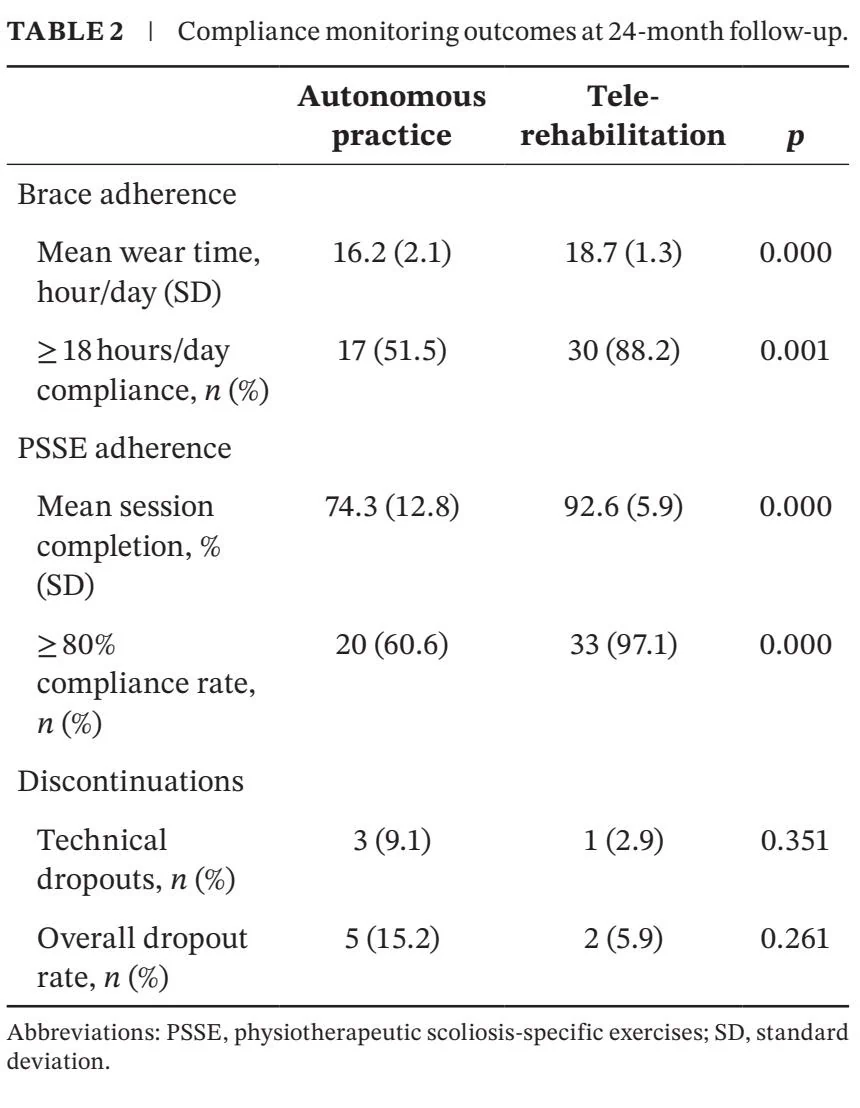
The tele-rehab group wore their braces far more consistently (18.7 vs 16.2 hours/day) and completed far more of their prescribed exercises (92.6% vs 74.3%), suggesting supervision drove adherence, and adherence likely drove the better outcomes.
Patients doing self-guided exercises at least 4 times a week still improved meaningfully, just less than the tele-rehab group, though this wasn't a randomized comparison, so some of that gap may reflect who ended up in which group rather than the intervention alone.
Introduction
Bracing combined with physiotherapeutic scoliosis-specific exercises (PSSE) is the standard conservative approach for adolescent idiopathic scoliosis. The exercise part usually happens at home, unsupervised, which means its actual dose depends entirely on whether the family keeps it up once nobody’s watching.
In a previous research review, we looked at soft versus rigid bracing itself. That review was about which brace to prescribe. This one asks a different question: does it matter who’s watching while the exercises happen?
So if you added real-time, therapist-supervised video sessions to the exercise side of bracing, would the brace actually work better, or would it just make the exercises feel more supervised without changing the outcome?
Methods
This was a cohort study, not a randomized trial, of treatment-naïve patients (ages 10-15, Cobb angle 20-45°, Risser grade 2 or below) from a single tertiary scoliosis center in China, enrolled between July 2021 and July 2023. Patients were stratified by baseline Cobb angle and skeletal maturity into two groups rather than randomly assigned.
Both groups wore an individualized, 3D-modeled Chêneau brace on the same wear schedule (building up to more than 22 hours/day), adjusted monthly, and followed the same individualized physiotherapeutic scoliosis-specific exercise (PSSE) plan. This exercise method used corrective exercises using the Schroth method, where the focus lies on exercises to correct the three-dimensional curvatures of scoliosis. The method focuses on using targeted breathing and muscle activation to expand compressed areas of the torso, elongating the spine, and correcting spinal rotation.
Thus, the two stratified groups only differed in the way the exercise portion was delivered:
Tele-rehabilitation group: These adolescents received synchronous 40-minute video sessions, 5 times a week, with a therapist watching posture and spinal alignment during exercises in real time and giving immediate correction.
Self-guided group: Where the adolescents exercised under the supervision of their guardian. The home sessions were required for at least 200 minutes a week. The guardians were trained to a competency standard before starting the exercise period to ensure good corrections and advice were delivered. They were asked to complete exercise logs to track adherence.
Outcomes
The primary outcomes of interest were:
- The amount of coronal correction, defined by the Cobb angle,
- The amount of axial rotation: quantified using the angle of trunk rotation (ATR),
Secondary outcomes included the Scoliosis Research Society questionnaire (SRS-22), which is a patient-reported outcome. Adherence to brace-wearing and exercise compliance were also measured. All outcomes were obtained at baseline, 6, 12, and 24 months.
Results
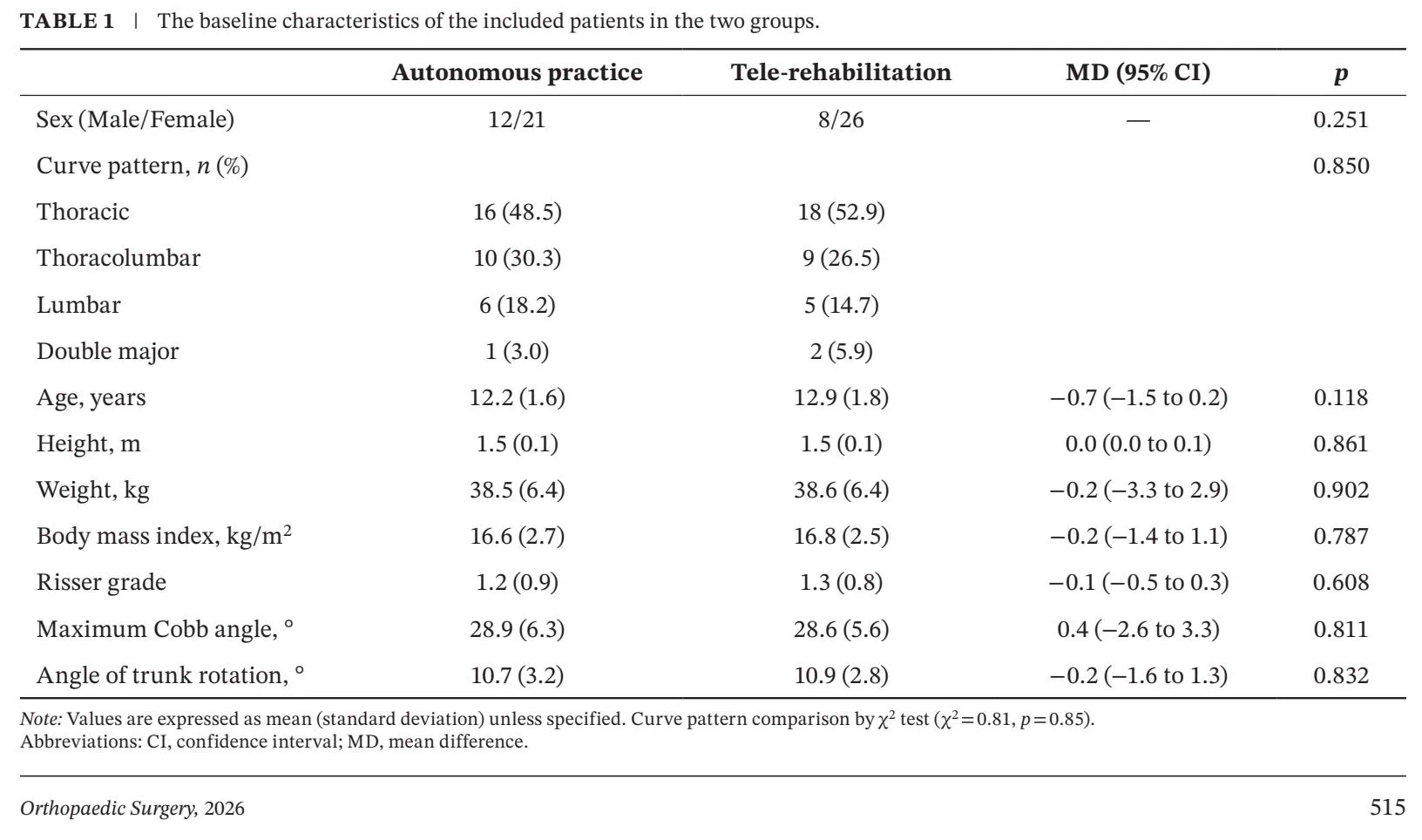
In total, 67 adolescents with idiopathic scoliosis were included, of which 34 received tele-rehabilitation-guided exercises, and 33 practiced self-guided exercises at home. Baseline characteristics (age, sex, BMI, Cobb angle, curve pattern) were comparable between groups.
From: Chen et al., Orthop Surg. (2026)
From: Chen et al., Orthop Surg. (2026)
Cobb angle
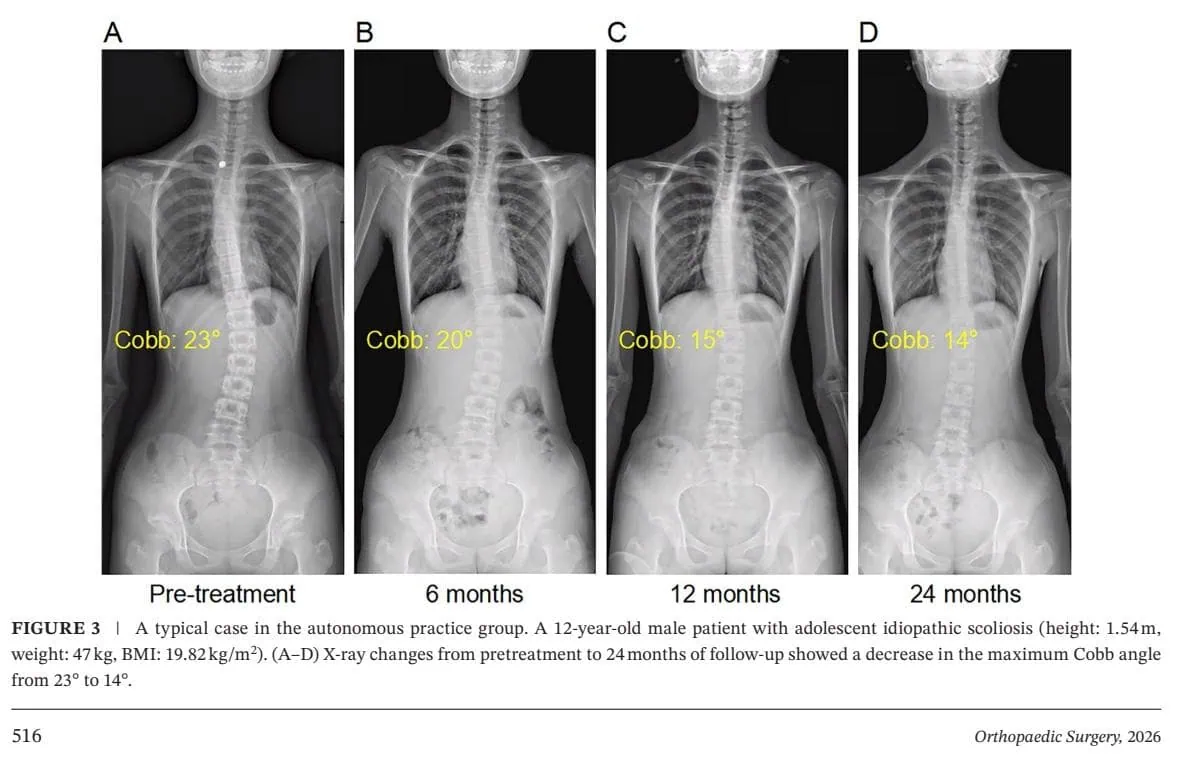
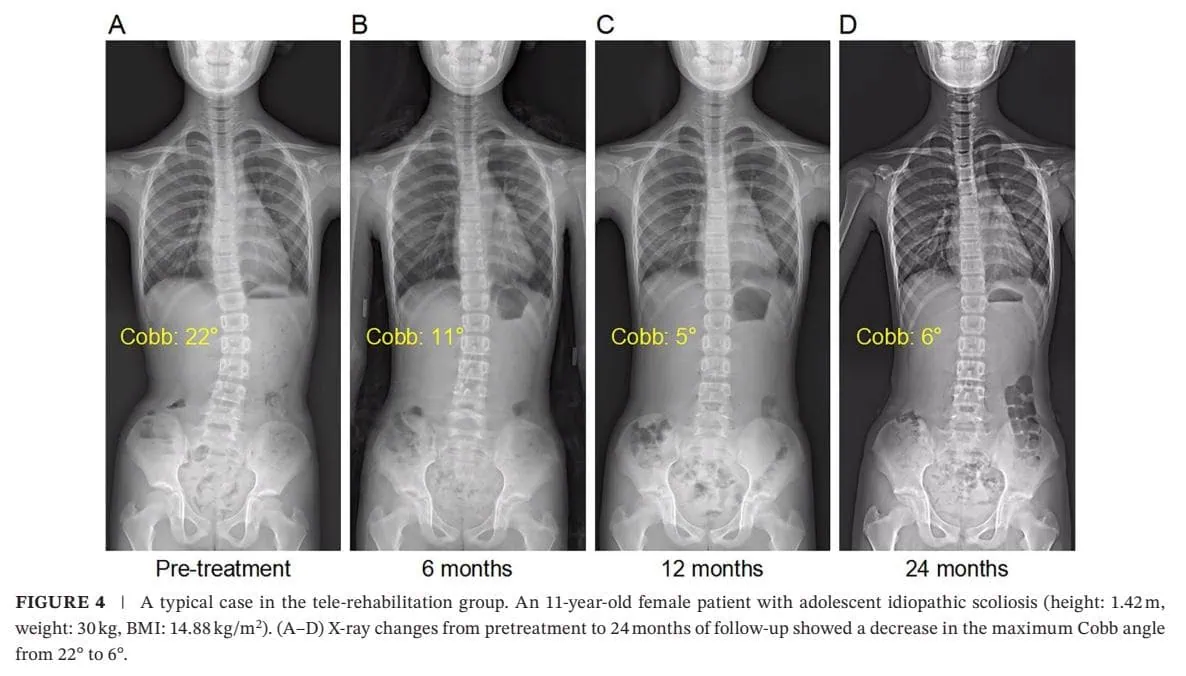
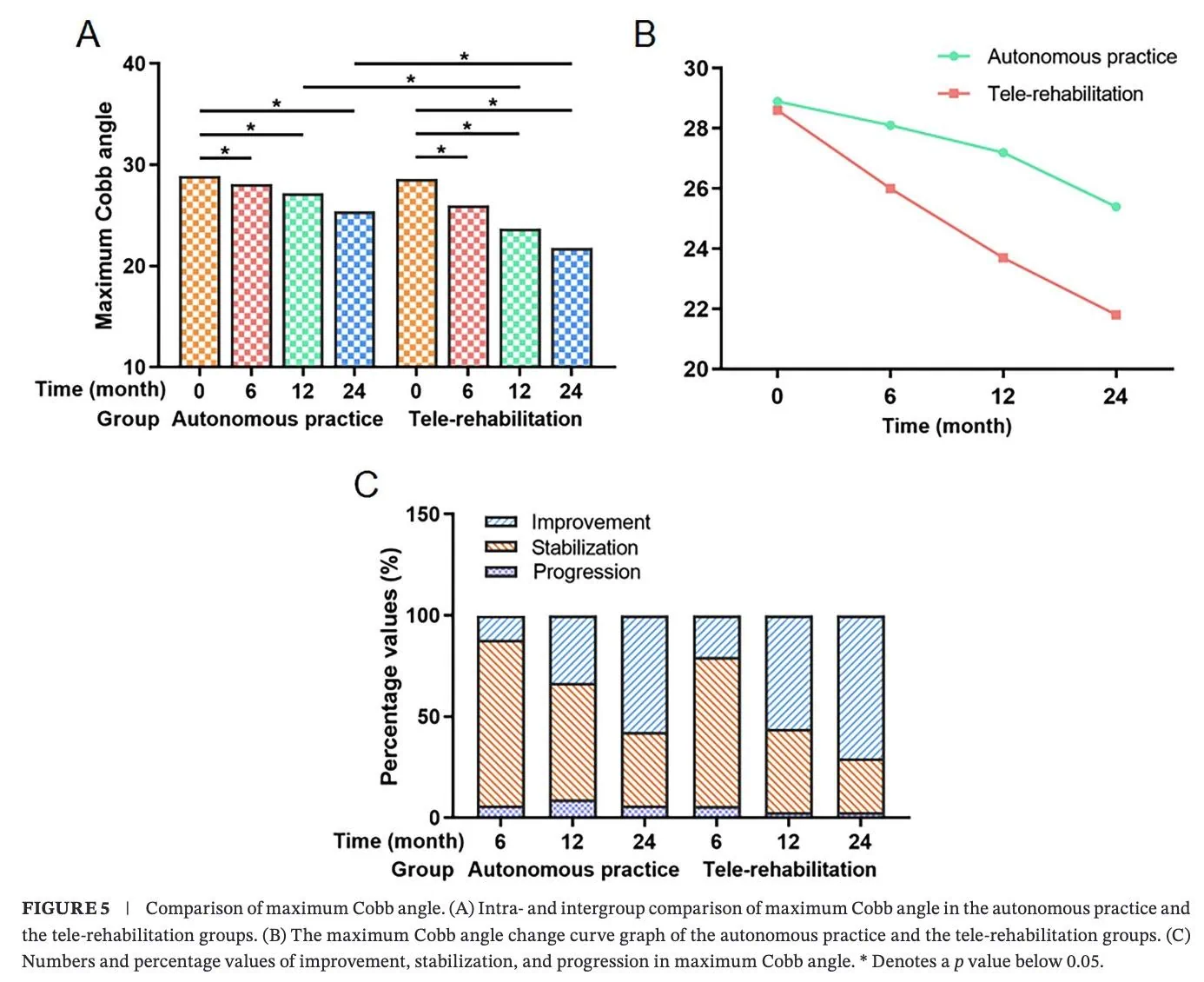
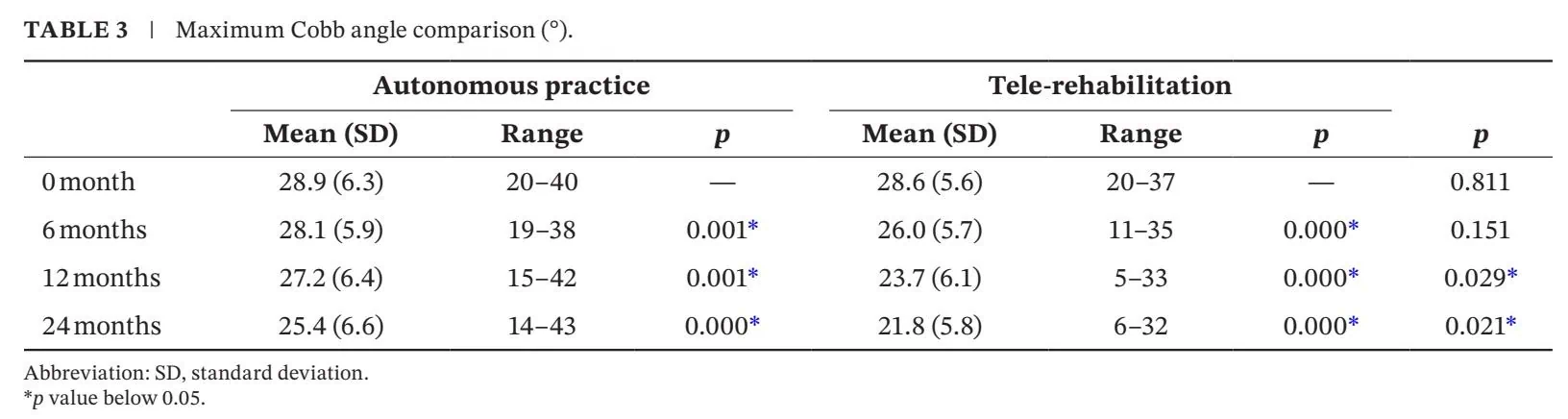
The primary endpoint of scoliosis curve correction showed progressive reductions in the Cobb angle in both groups. The authors showed a typical case of scoliosis regression in the self-guided group (Figure 3) and in the tele-rehabilitation group (Figure 4).
From: Chen et al., Orthop Surg. (2026)
From: Chen et al., Orthop Surg. (2026)
The table below shows the evolution of the curve regression in both groups. Although both groups improved, at 12 and 24 months, the between-group difference became statistically significant in favor of the tele-rehabilitation group. So, both groups improved over time, but the tele-rehab group pulled ahead. By 24 months, 70.6% of the tele-rehab group had achieved a clinically meaningful improvement (≥5° reduction) versus 57.6% of the self-guided group, and progression (≥5° worsening) was rarer in the tele-rehab group (2.9% vs 6.1%).
From: Chen et al., Orthop Surg. (2026)
From: Chen et al., Orthop Surg. (2026)
Angle of Trunk Rotation (ATR)
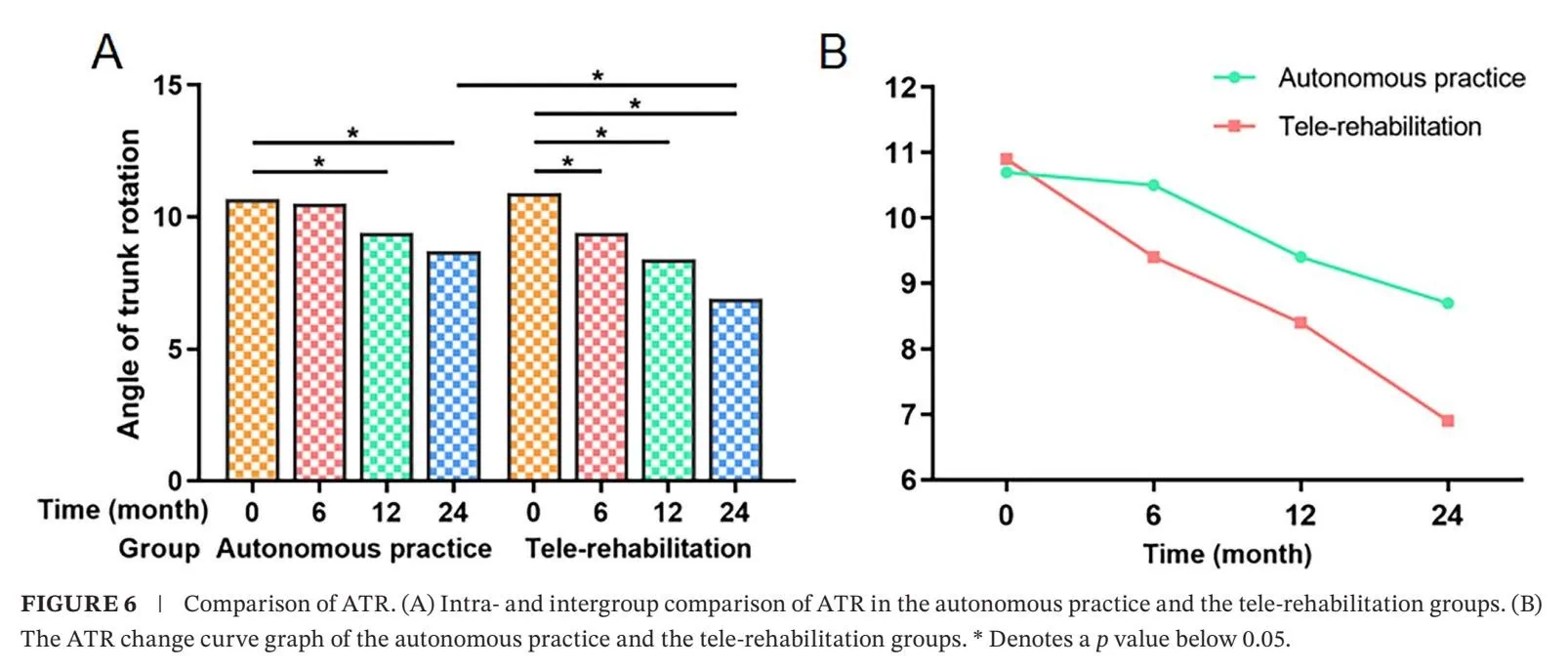
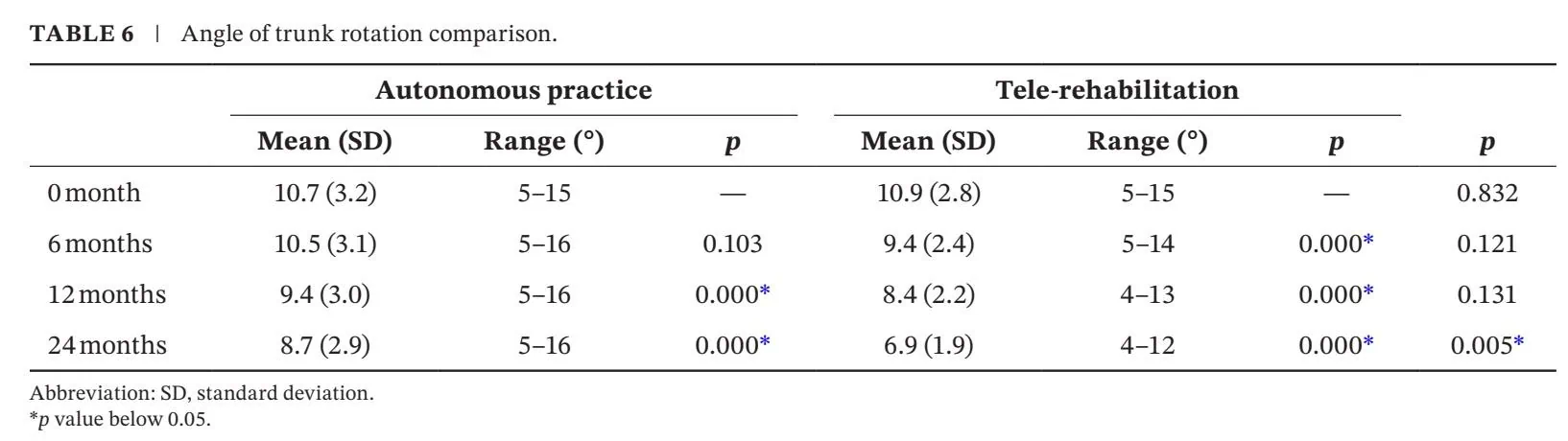
Angle of trunk rotation improved in both groups, yet at 24 months, the improvement was larger in the tele-rehab group too (4.0° reduction vs 2.0°, p=0.005).
From: Chen et al., Orthop Surg. (2026)
From: Chen et al., Orthop Surg. (2026)
Quality of life
On the SRS-22 questionnaire, both groups improved across all domains by 24 months, but the tele-rehab group reached statistical significance on function and satisfaction by 12 months, while the self-guided group didn’t reach significance on those domains until 24 months- a few months’ head start in feeling better, not a difference in the final destination.
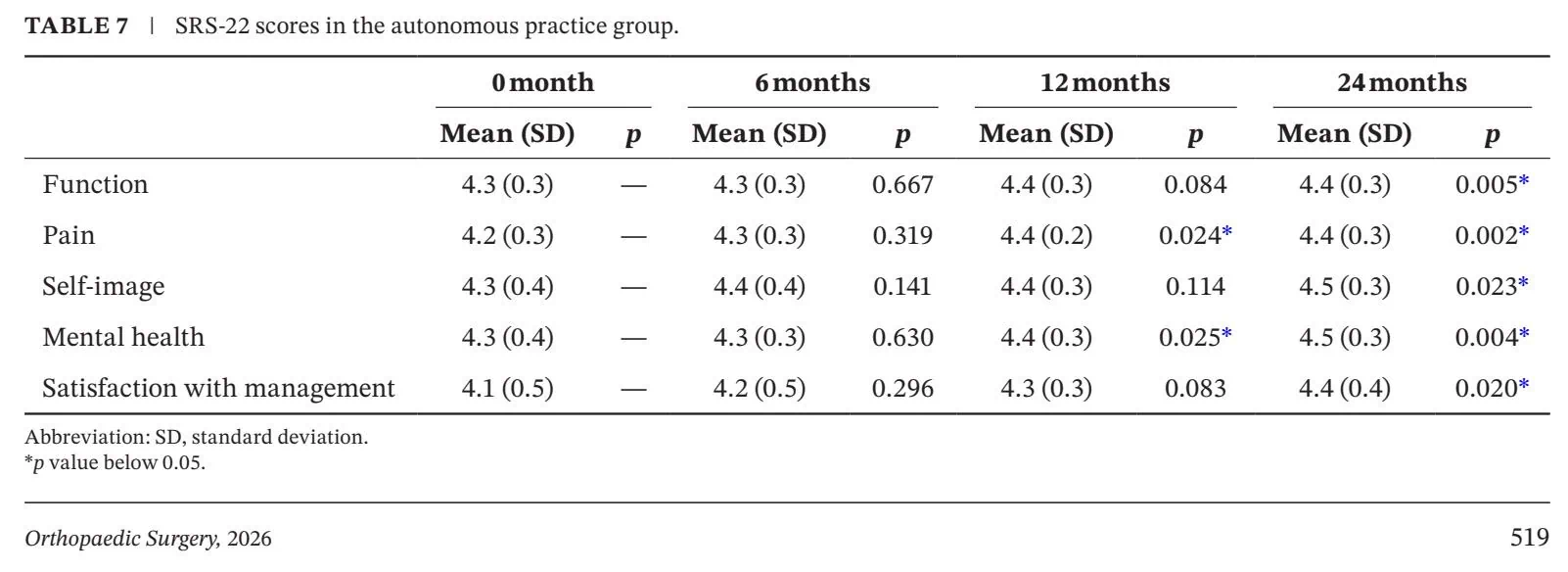
From: Chen et al., Orthop Surg. (2026)
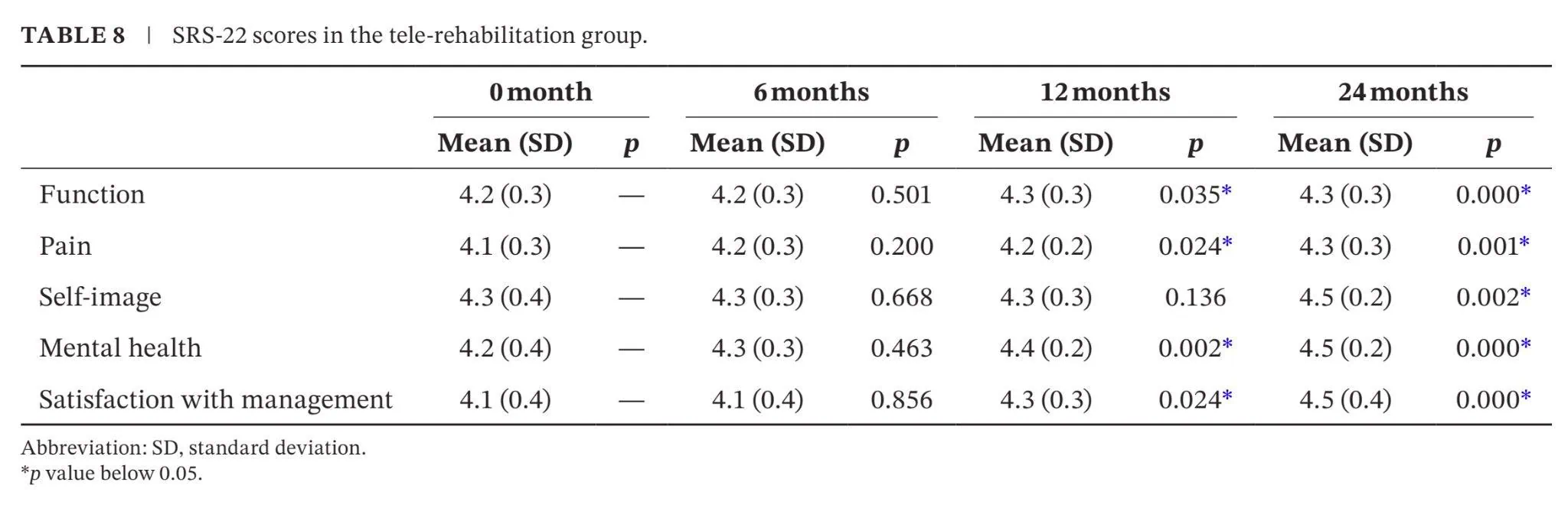
From: Chen et al., Orthop Surg. (2026)
Brace wear and exercise compliance
This is where the gap between groups was largest. Higher compliance with the mean daily brace wear time was achieved in the tele-rehabilitation group. This was observed in a higher wear time and also a higher percentage of adolescents adhering to the target compliance threshold of more than 18 h of wear time per day. Adherence to the exercise sessions was significantly better in the tele-rehabilitation group, with a higher mean session completion rate of 92.6% versus 74.3% in the self-guided group. Also here, a higher proportion of adolescents adhered to at least 80% compliance: 97.1% versus 60.6%.
A subgroup check comparing the tele-rehab group against just the self-guided patients who exercised at least 4 times a week (n=20) found the tele-rehab group still improved more (Cobb change −6.8° vs −4.6°, p<0.001), but the gap narrowed considerably compared to the full self-guided group.
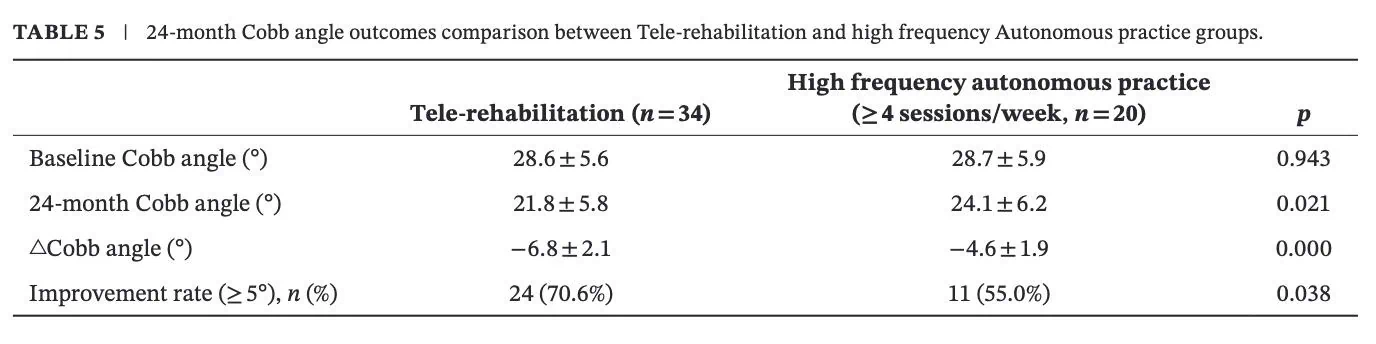
From: Chen et al., Orthop Surg. (2026)
Questions and thoughts
What are Physiotherapeutic Scoliosis-Specific Exercises (PSSE)?
PSSE are individually tailored exercises designed specifically for the three-dimensional deformity seen in scoliosis. They are not simply general strengthening exercises. The aim is to help the patient actively correct their posture and spinal alignment as much as possible, and then integrate that corrected position into daily activities. In this study, PSSE included four main components:
- postural correction during activities such as standing, sitting and walking;
- Schroth-based corrective exercises;
- exercises addressing sagittal-plane alignment;
- core-strengthening exercises.
The exercises shown in Figure 1 illustrate how this can look in practice. For example, patients were instructed to shift the trunk or pelvis in a direction specific to their curve pattern, expand the concave side of the trunk during inhalation, and use controlled exhalation with isometric back-muscle activation. So these exercises teach an adolescent with scoliosis to actively “self-correct” their posture in 3D, rather than only trying to get generally stronger or more flexible. The exact exercises depend on the individual curve pattern.
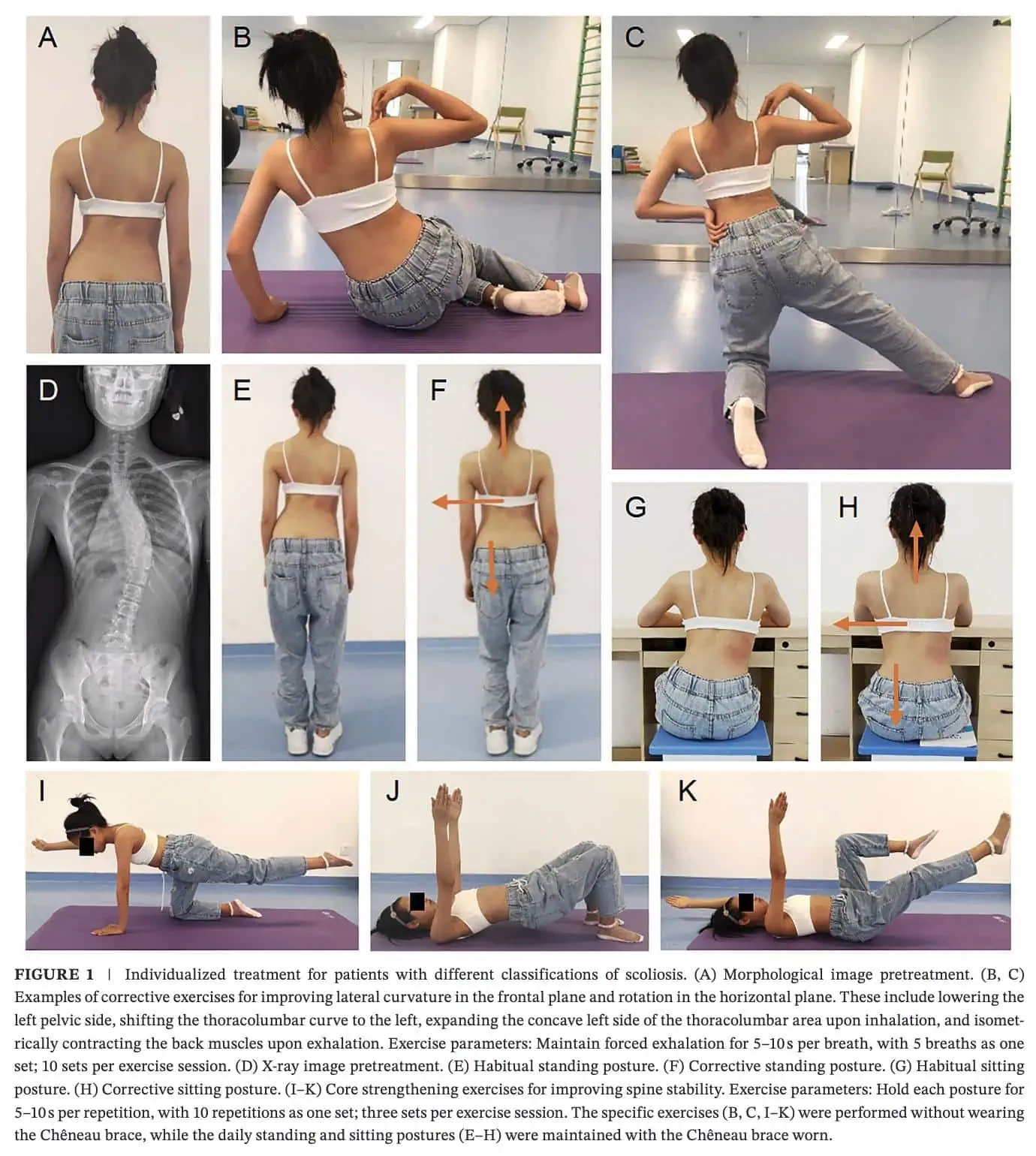
From: Chen et al., Orthop Surg. (2026)
Why was the brace compliance threshold set lower than the recommended wear time?
The target compliance threshold was set at at least 18h brace wear time per day. This way, the authors achieved 88.2% compliance in the tele-rehabilitation group versus 51.5% in the self-guided group, which led to a significant between-group difference. No direct explanation was given for lowering this threshold of compliance. It can reflect common best practice, yet the prescription was made differently. Setting a threshold lower than recommended can inflate a certain statistic, so I would be careful about this large between-group difference in the first place. A difference could have emerged, since the tele-rehabilitation group was followed more closely, and thus adherence to the plan can be felt more like “an obligation” by the participants, of course. But setting the threshold at the prescribed 22 hours could maybe have revealed less of a difference. Of course, brace wear time should be based on the current best practices, but there is a lot of difference between the recommendations made. Furthermore, different bracing types may also achieve different outcomes, and the choice should therefore be individualized by the treating physicians. In an earlier research review, we examined a study looking at the effectiveness of different types of braces.
What would you actually change in practice based on this?
The headline finding isn’t really about tele-rehabilitation technology; it’s about adherence. The tele-rehab group wore their braces more (88% vs 52% hit the 18-hour/day mark) and did their exercises more (93% vs 74% completion), and those two things plausibly explain most of the better Cobb angle and rotation outcomes. The video call is the mechanism that produced the adherence, not necessarily the active ingredient itself.
That distinction matters if you don’t have a therapist available for 5 supervised video sessions a week, which is most clinics. The subgroup comparison offers a partial fallback: self-guided patients who managed at least 4 sessions a week closed a good chunk of the gap, though not all of it. So the practical takeaway isn’t “you need telehealth infrastructure, or this doesn’t work”; it’s “treat exercise frequency and brace-wear checks as something to actively monitor and push for, not a box you tick once at the initial prescription.”
If you’re prescribing bracing with home exercises tomorrow, this data supports building in a real check-in mechanism, a scheduled follow-up call, a simple log the family sends back, anything that makes the exercises and brace-wear feel monitored rather than optional, rather than assuming the initial instructions were enough.
Worth keeping in mind: families weren’t randomly assigned to a group. It’s possible the families who ended up doing 5 supervised sessions a week were already more engaged or had more flexible schedules than families who didn’t, and that engagement itself, not the video call, is doing some of the work. That doesn’t make the adherence data less useful clinically, but it’s a reason not to oversell video supervision specifically as the one thing that matters.
Talk nerdy to me
This was not a randomized trial. Patients were stratified by baseline Cobb angle and skeletal maturity into groups, not randomly allocated, which leaves real room for selection bias: families able and willing to commit to 5 synchronous video sessions a week may differ systematically (in schedule flexibility, technology access, or baseline motivation) from families who didn’t take that path, in ways the stratification variables don’t capture.
Blinding wasn’t possible either; patients and therapists both knew which group they were in, which is a normal limitation for this kind of intervention but still worth flagging, particularly for the self-reported SRS-22 outcomes, where knowing you’re in the “enhanced” group could plausibly nudge how you rate your own satisfaction.
A limitation of this study is that the authors conducted repeated measures, but did not use repeated-measures analyses. Rather, they lean on paired and independent t-tests for their between-group comparisons. Further, they did not correct for these multiple comparisons, making it possible for some p-values to become significant by chance.
It’s also a single-center study using one specific platform (Tencent Meeting) and one team’s bracing protocol, so the effect size may not transfer directly to a different clinic, technology, or population. The authors also didn’t measure the Coronal Deformity Angular Ratio (C-DAR), a newer metric other research has linked to bracing failure risk, so this study can’t tell you how these groups compare on that specific predictor.
Follow-up stopped at 24 months, around skeletal immaturity, not full skeletal maturity. Some literature suggests 15-20% of braced patients experience curve rebound after brace weaning at maturity, so whether the tele-rehab group’s advantage holds up past this point is genuinely unverified by this study.
There are several inconsistencies between the discussion and the results tables that make some of the authors’ conclusions appear stronger than the reported data support. For example, the discussion refers to earlier improvements occurring at “3 months versus 6 months,” although the study only reports assessments at baseline, 6, 12, and 24 months, with no 3-month assessment described. The discussion also reports changes in SRS-22 physical function of Δ0.8 in the tele-rehabilitation group versus Δ0.3 in the autonomous group, yet Tables 7 and 8 show function scores changing only from 4.2 to 4.3 and from 4.3 to 4.4, respectively. These discrepancies suggest that the numerical tables should be given more weight than some statements in the discussion. Further in the discussion, the authors also mention an observed 70.6% Cobb angle improvement rate. Yet, that wording is poorly chosen, as they meant that 70.6% of the patients in the tele-rehab group achieved a study-defined meaningful Cobb angle improvement of 5° or more. That is worth making explicit because “improvement rate” sounds like a percentage change in angle, while here it is actually a percentage of patients reaching a categorical threshold.
The authors also state that their findings establish a “causal pathway” from real-time feedback to improved biomechanics and subsequently better patient-reported outcomes, but this interpretation goes beyond what the study design can demonstrate. Because this was a non-randomized cohort study and exercise quality was not directly measured or formally tested as a mediator, the study can show associations between tele-rehabilitation and better outcomes, but it cannot confirm that real-time feedback itself caused those improvements.
A strength of this study was the inclusion of treatment-naïve participants, assuming that the group stratification itself did not come into play, where generally better outcomes are expected by participants receiving the “better treatment”. Yet it was not clear how this naivety was defined and maintained, in a world with open internet access.
Take-home messages
This study can tell us that adding real-time supervised exercise sessions to bracing improved 24-month Cobb angle and trunk rotation correction more and sooner than self-guided home exercise, and that the supervised group showed substantially higher adherence to both brace-wear and exercise, plausibly the main reason behind the better outcomes.
Because treatment allocation was not randomized, we cannot determine how much of the superior outcome came from better exercise technique, better adherence, increased brace exposure, increased therapist contact or pre-existing differences between the families.
What it can’t tell us is whether video supervision specifically is necessary, or whether any reliable way of driving that same adherence would produce similar results, since this wasn’t a randomized comparison and didn’t isolate adherence as its own variable. It also can’t tell us whether the advantage holds up past skeletal maturity.
Remote rehabilitation does not have to mean simply sending patients an exercise program. The intervention involved live observation of movement, immediate correction, structured exercise exposure, adherence monitoring, and ongoing brace management.
The brace does the mechanical work, but someone still has to make sure the exercises actually happen.
Reference

