


Research
EBP & Statistics
May 21, 2026
Bridging the Gap: Matching Patient Expectations with Physiotherapists' Perceptions

This cross-sectional, questionnaire-based study examines discrepancies between patients and clinicians regarding expectations and perceptions of physiotherapy
The most important expectations identified were a thorough initial physical examination, understanding the health condition, and the clinician’s ability to listen and educate
Physiotherapists tended to assume that patients primarily expected immediate solutions and reassurance
Introduction
Patient perceptions and expectations are key drivers of clinical outcomes. Evidence suggests that higher patient satisfaction is associated with greater engagement, improved treatment adherence, and enhanced perceived outcomes. Conversely, negative expectations may contribute to a nocebo effect, increasing pain and reducing treatment effectiveness. Accurately identifying and addressing patient expectations is therefore essential, yet often challenging in clinical practice. This article explores patient expectations in physiotherapy and highlights potential discrepancies between patients’ priorities and clinicians’ assumptions. This review aims to provide practical, ready-to-use tools to better understand patient expectations, satisfaction, and perceptions, to improve clinical outcomes.
Methods
This cross-sectional study followed STROBE guidelines for observational research and CHERRIES recommendations for online surveys. Two structured questionnaires were developed and pilot-tested on six participants (three patients and three physiotherapists).
The questionnaires collected demographic data and assessed 22 expectations across four domains: information, interaction, expertise, and environment. Patients ranked expectations according to personal priorities, while physiotherapists ranked them based on perceived patient priorities.
Sample sizes were calculated using SurveyMonkey (95% confidence level, 5% margin of error), targeting 385 patients and 283 physiotherapists. Participants were recruited through digital channels, including patient associations, professional networks, social media, and mailing lists.
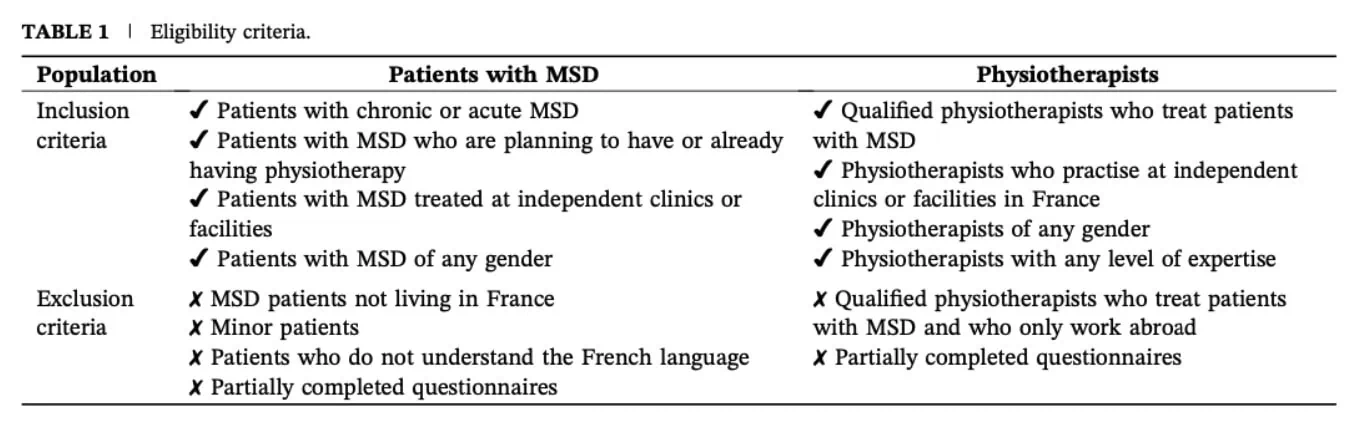
The eligibility criteria are further presented in Table 1.
Statistical analysis was conducted using Minitab. Group comparisons were performed using Mann–Whitney tests, based on the mean importance assigned to each expectation across the four domains.
Results
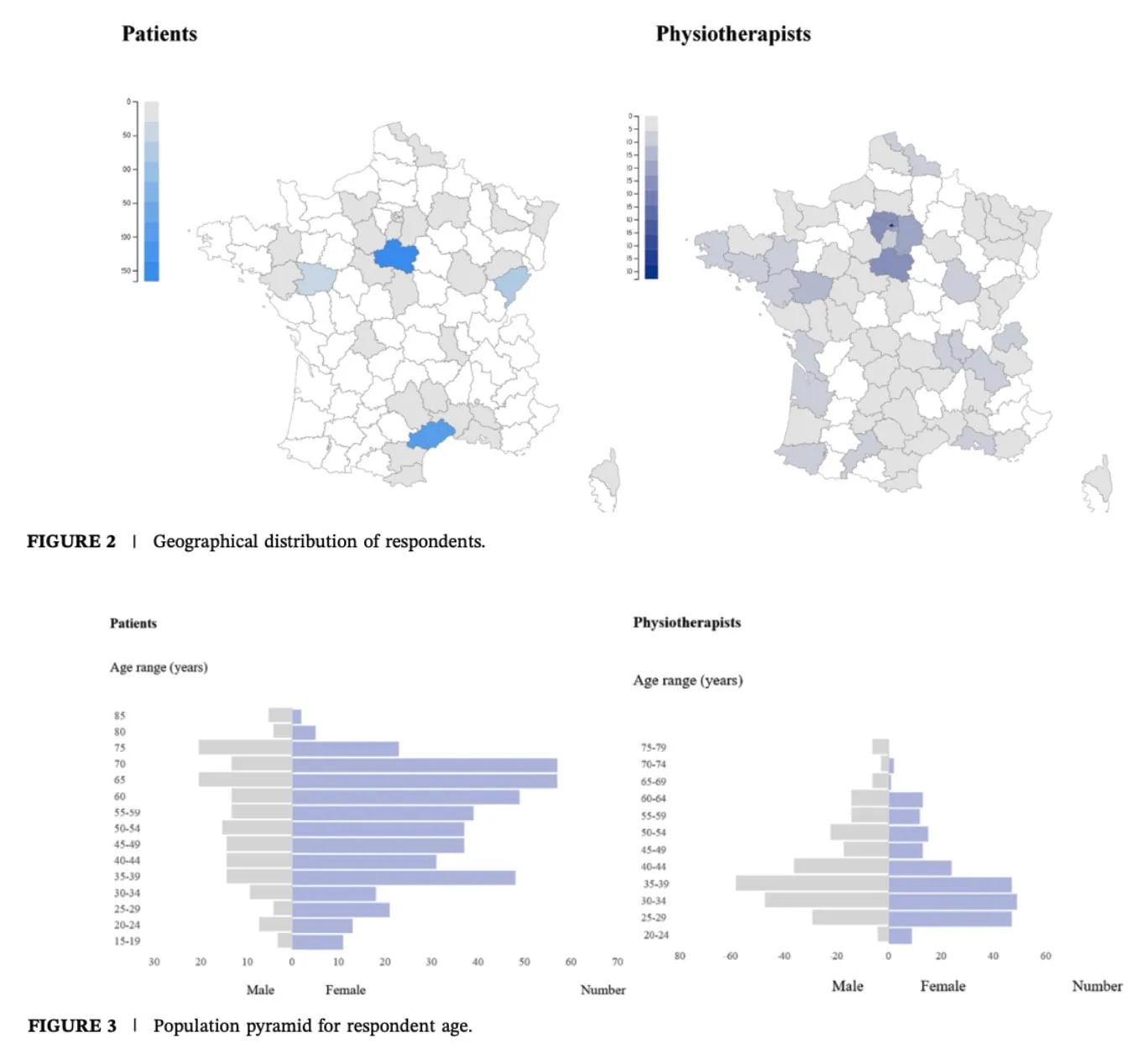
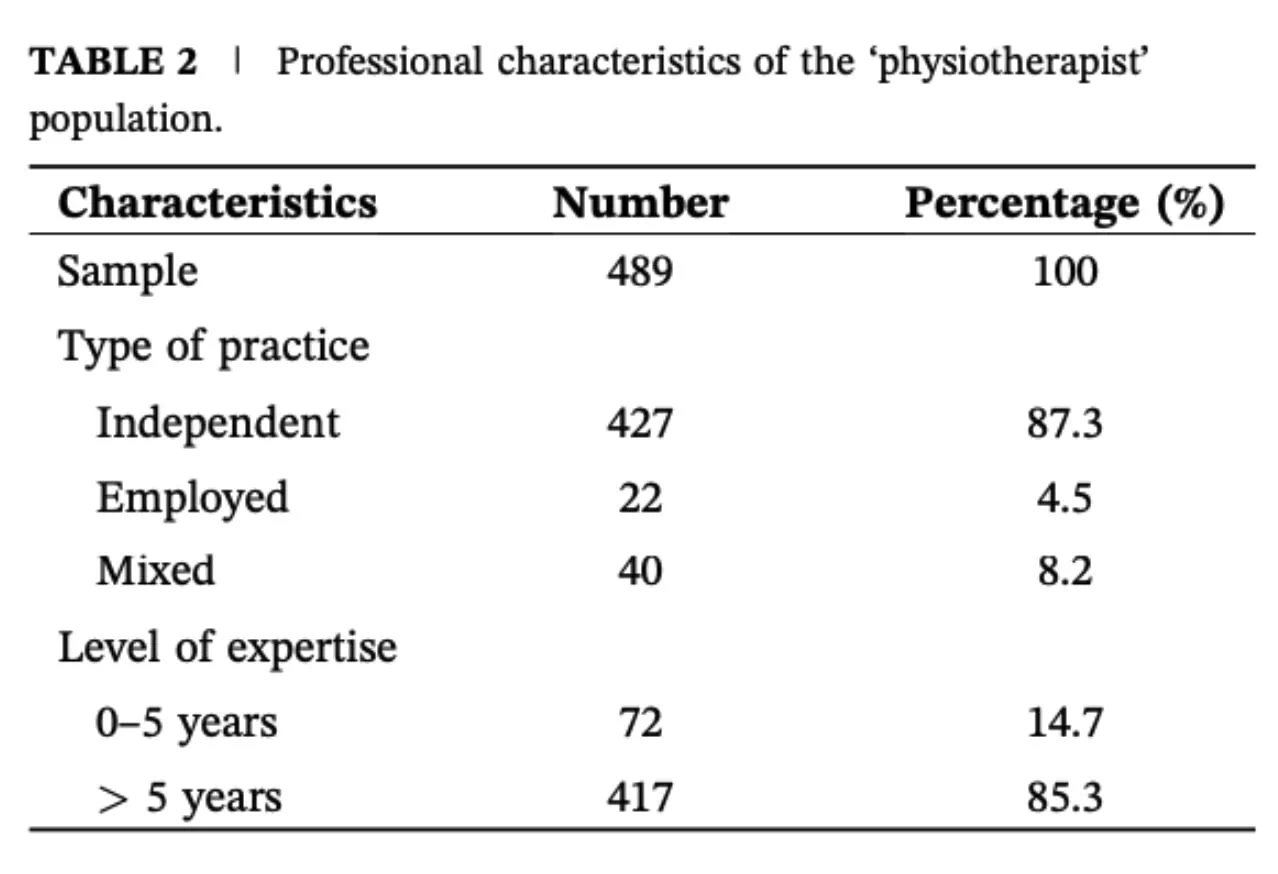
Geographical and Sociodemographic DataA total of 618 patients with musculoskeletal disorders and 489 physiotherapists were included after screening for complete responses. Data were collected via online and paper questionnaires, with incomplete entries excluded and no imputation performed. Analyses were conducted with a 95% confidence level and 5% margin of error. Patients were mainly located in specific French departments (Loiret, Hérault, Doubs), while physiotherapists were more evenly distributed, with a higher concentration in Île-de-France. Sociodemographic characteristics of physiotherapists are detailed separately.
Priority Expectations of Patients With Musculoskeletal Disorders
Different expectations
Expectations were ranked according to determined categories (information, interaction, environment, expertise). The patient’s top priorities were understanding their condition (information), having a practitioner who listens and educates (interaction), receiving a thorough initial physical examination (expertise), and rapid access to care (environment).
Similarities between Expectations Perceived by Patients and Physiotherapists
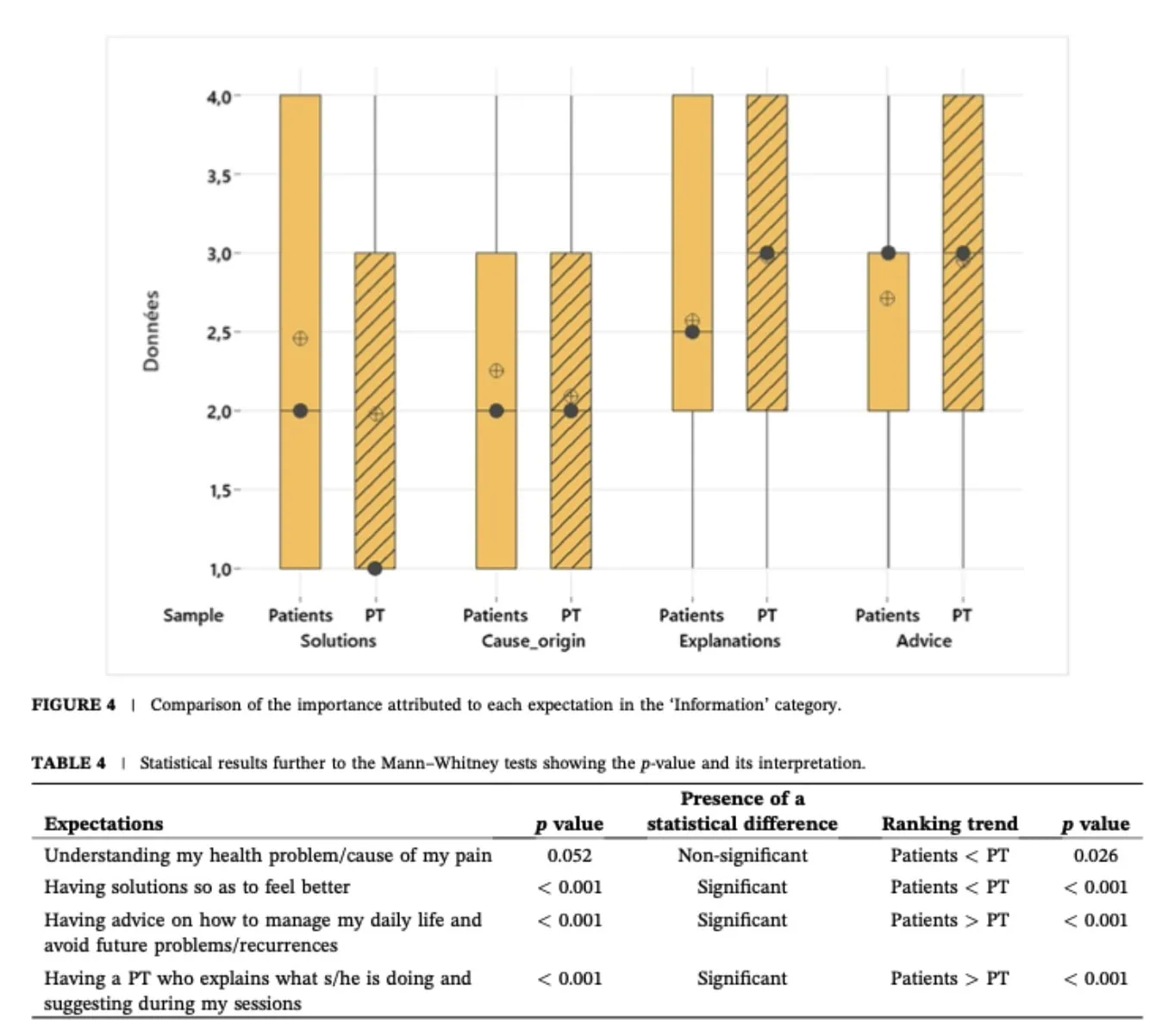
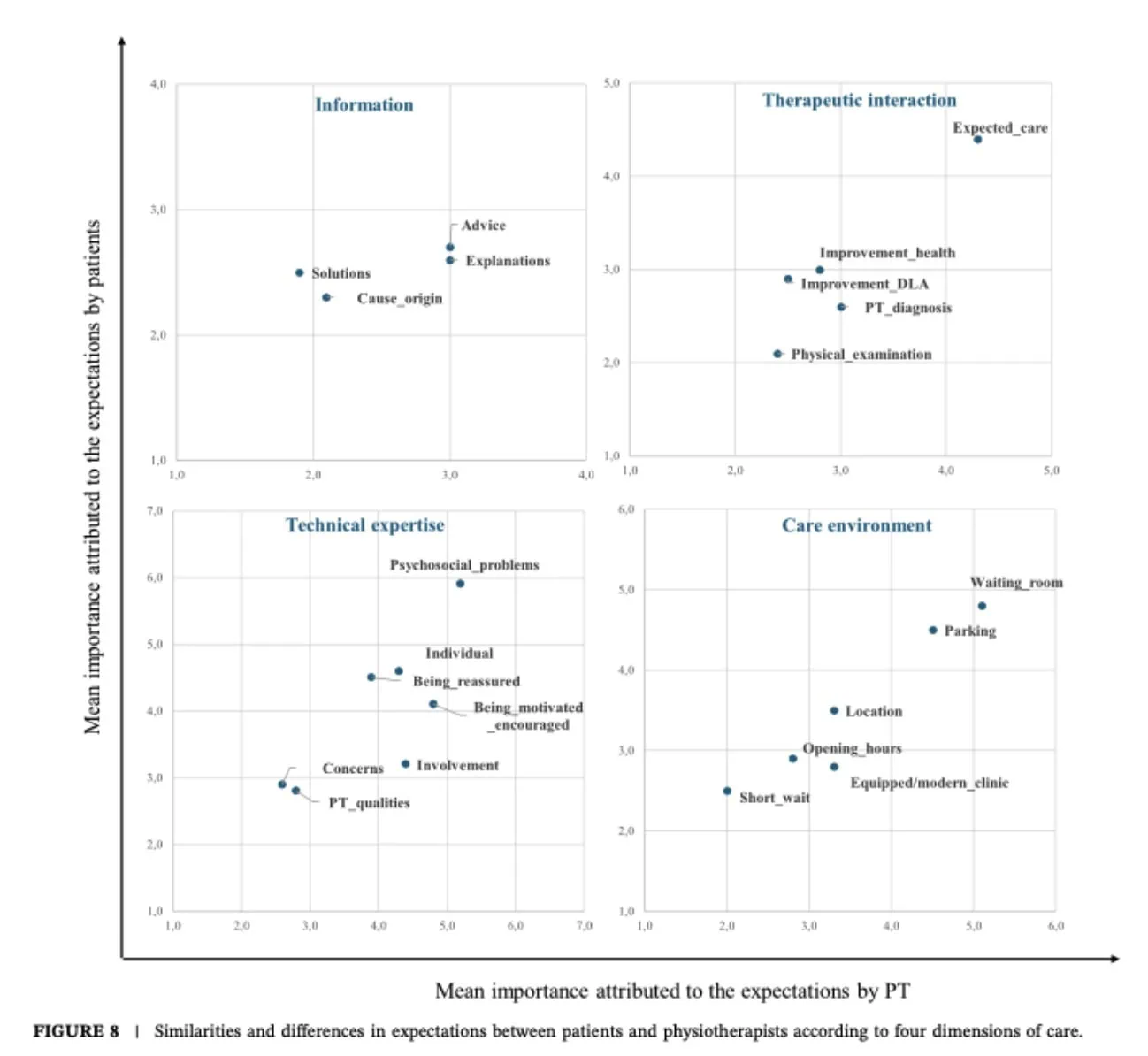
Comparisons of patient expectations with physiotherapists highlighted both alignments and discrepancies across all categories, with detailed statistical analyses identifying significant differences. These similarities and discrepancies are presented in the following figures.
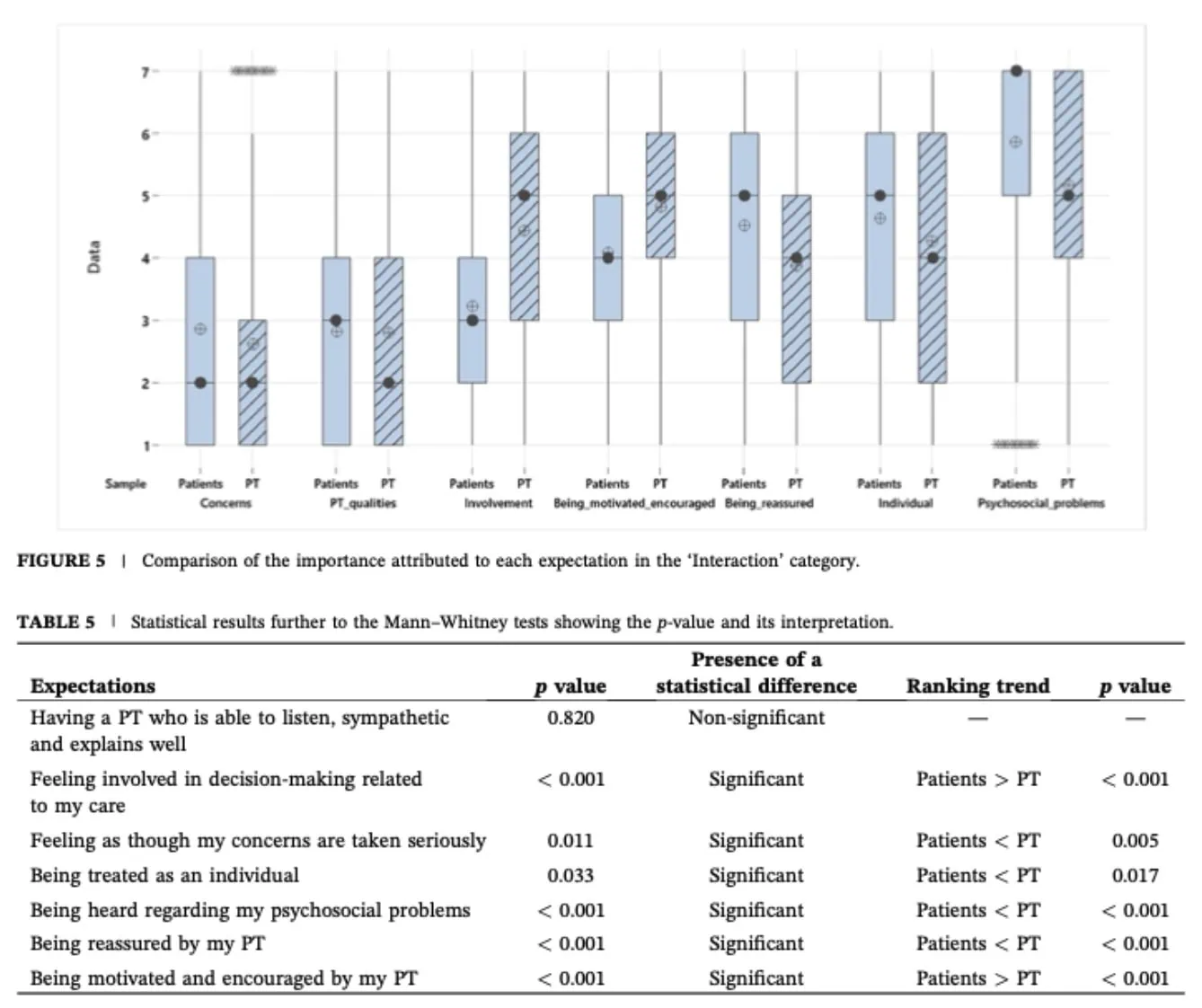
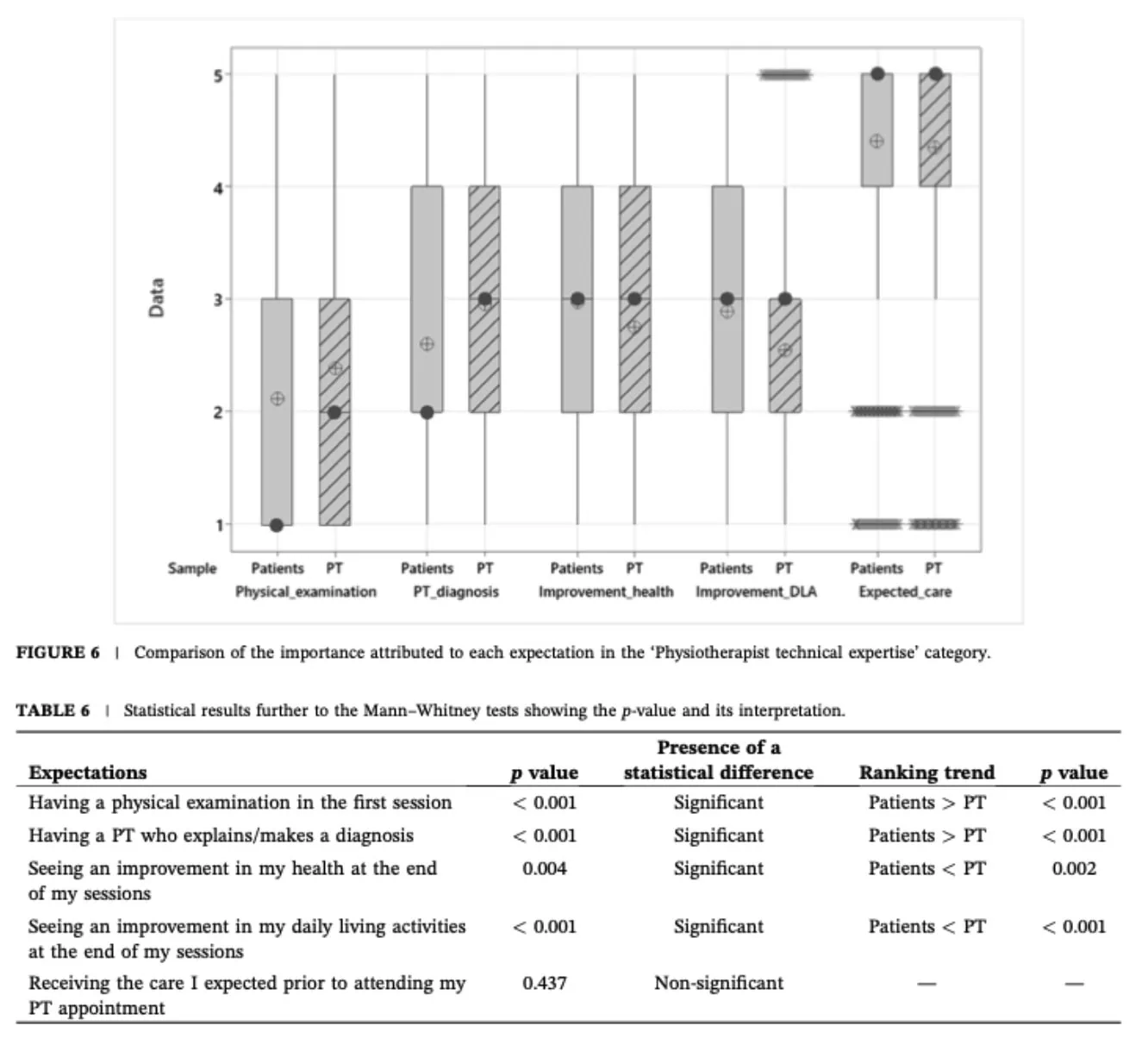
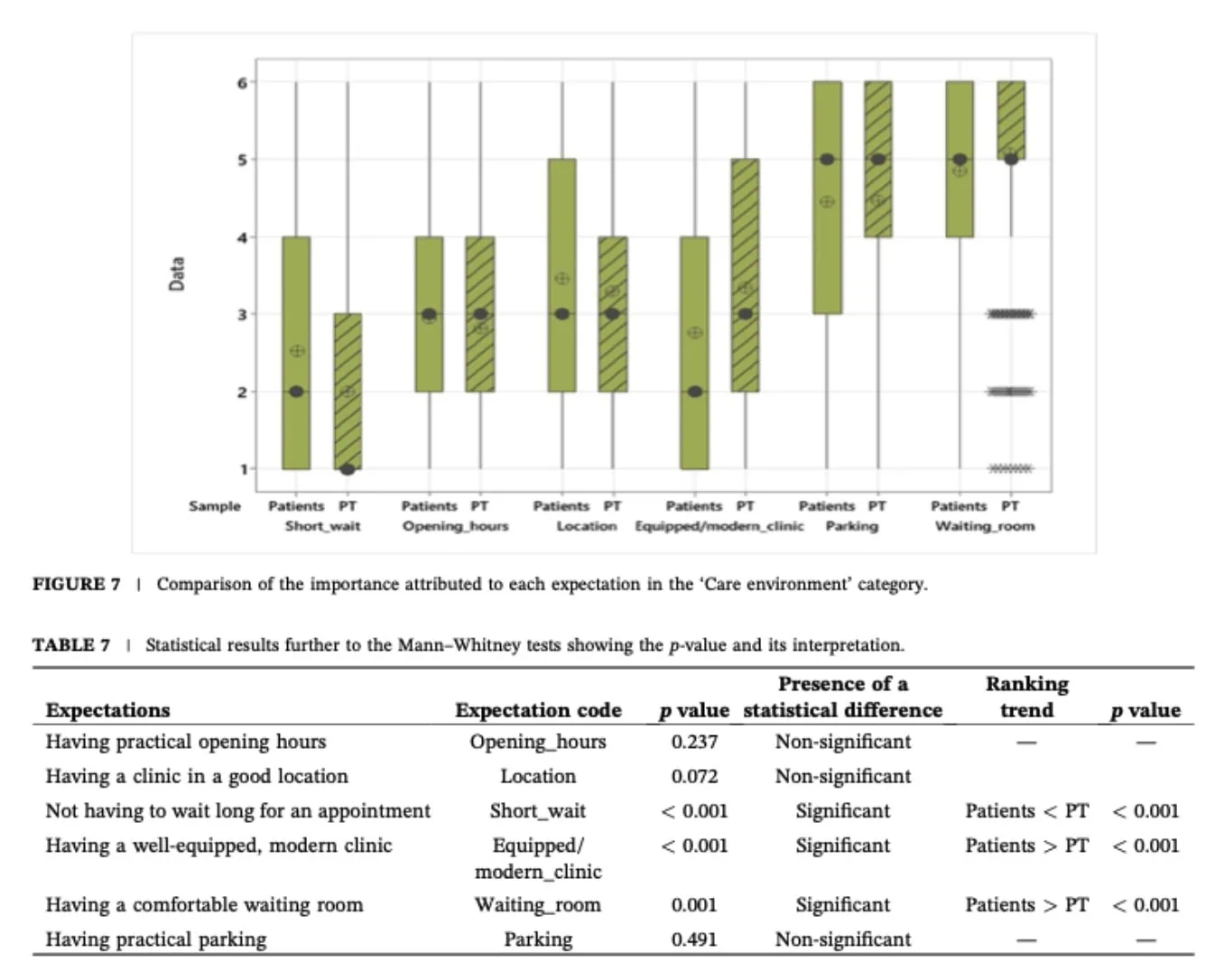
For clarity, the figure would benefit from specifying the unit of the ordinate axis. As indicated by the authors, scores range from 1 to N, where 1 represents the highest priority and N the lowest. Each item is ranked within its category, with N corresponding to the total number of items in that category.
Information
Physiotherapists overestimated the importance of providing solutions, while underestimating patients’ need for explanations and advice for self-management. Both groups aligned on the importance of understanding the condition, though without statistical significance. Overall, gaps relate to patient education and autonomy.
Therapeutic Interaction
While both groups agreed on the importance of listening and communication, physiotherapists underestimated patient expectations for involvement in decision-making and motivation. Conversely, physiotherapists overvalued reassurance and psychosocial attention. This reflects a mismatch between active versus more passive models of patient engagement.
Technical Expertise
Patients prioritized initial assessment and diagnostic explanations more than physiotherapists, whereas physiotherapists placed greater emphasis on treatment outcomes. No difference was found for receiving expected care. This suggests patients value early-stage clinical processes more than practitioners anticipate.
Care Environment
Both groups valued short waiting times, though physiotherapists overestimated their importance. Patients placed greater emphasis on clinic quality and comfort. Other logistical factors showed no significant differences, indicating environmental aspects are somewhat underestimated by physiotherapists.
Illustrated Overview of the Results
Overall, results show moderate matching of patient expectations and physiotherapists’ perceptions, but consistent discrepancies remain. These mainly concern the importance of explanation, patient involvement, and care environment quality, with physiotherapists generally identifying key priorities but misjudging their relative importance.
Questions and thoughts
The Common Sense Model of self-regulation (CSM) may represent a useful framework for addressing patient expectations. This model describes five key domains shaping an individual’s representation of a health condition: identity (the diagnostic label, e.g., tendinopathy or fracture), timeline (perceived onset, duration, and progression), consequences (impact on physical, cognitive, and social functioning), causes (beliefs about the origin of the condition), and control (perceived ability of the patient and clinician to influence the condition).
These domains appear particularly relevant in light of these study findings. Patients expressed strong expectations regarding understanding the cause of their pain, being listened to, and receiving a thorough physical examination. Such concerns could be effectively addressed through structured patient education grounded in the CSM domains, helping to better align clinical explanations with patient beliefs and priorities.
However, applying the CSM in practice requires caution. The study highlights that patients expect to be actively involved in decision-making. Therefore, education strategies based on this model should avoid a purely top-down approach. Instead, they should promote a collaborative, patient-centred dialogue to ensure that information sharing supports autonomy rather than reinforcing a hierarchical dynamic.
Talk nerdy to me
The geographical distribution of participants may represent a limitation. Most patient respondents were from rural areas in France, which raises the possibility that physiotherapy patient expectations and perceptions differ between rural and urban populations. Such differences may be influenced by factors like education level, which can shape beliefs and attitudes toward healthcare professionals.
The large sample size and wide geographical coverage provide strong statistical power. However, the broad inclusion criteria reduce the specificity of the findings and may limit their applicability to more defined patient subgroups.
Another limitation relates to the use of questionnaires. The formulation of questions can introduce bias, potentially leading respondents or embedding implicit assumptions. It would be relevant to examine whether certain questions could have been phrased differently to minimize this risk.
More fundamentally, questionnaire-based studies inherently constrain responses to predefined topics, which may not fully capture what matters most to patients. A preliminary qualitative approach could have helped identify key themes grounded in patient lived experiences. This raises questions about how the expectation categories were developed: what was their origin, and were they based on prior qualitative research or theoretical frameworks? Without this clarity, the scope of the investigation may have been narrowed. A more explicit grounding in qualitative methods (e.g., inductive approaches or grounded theory) would strengthen the conceptual foundation.
The exclusion of incomplete questionnaires also warrants consideration. While consistent with methodological guidelines, this choice may have introduced bias by systematically excluding certain participant profiles, potentially silencing specific perspectives.
Finally, greater transparency is needed regarding questionnaire development. What was the rationale behind each question? Was a systematic process used for item generation and selection? Some concepts, such as “being treated as an individual,” would benefit from a clearer definition, as they are open to varied interpretation and may affect the consistency of responses.
Take-home messages
- Physiotherapy patient expectations extend beyond symptom relief. Patients prioritize understanding their condition, receiving clear explanations, being actively involved in care decisions, and benefiting from a thorough initial assessment.
- Physiotherapists generally identify what matters to patients, but often misjudge their relative importance. The largest discrepancies concern patient education, shared decision-making, and the value patients place on explanation.
- Explanation is treatment: Helping patients understand the cause, timeline, and management of their condition is not an “extra” component of care—it is central to building trust, engagement, and adherence.
- Patients want partnership, not passive reassurance. This study suggests that patients value active participation in decision-making more than clinicians may anticipate. Collaborative communication should therefore be prioritized.
- The first session matters: A thorough physical examination and transparent clinical reasoning appear to strongly shape patient perceptions of professional expertise and confidence in care.
- The care environment influences patient experience. Clinic comfort, equipment quality, and overall atmosphere contribute to how patients perceive the quality of physiotherapy care.
- The Common Sense Model may offer a practical framework for managing expectations: Exploring patient beliefs about their condition (identity, timeline, consequences, causes, and control) can help tailor education and align treatment plans with individual expectations.
- Meeting expectations does not mean agreeing with every belief: It means understanding patient perspectives, addressing misconceptions respectfully, and co-constructing a meaningful rehabilitation plan.
Reference
THE ROLE OF THE VMO & QUADS IN PFP
Watch this FREE 2-PART VIDEO LECTURE by knee pain expert Claire Robertson who dissects the literature on the topic and how it impacts clinical practice.